
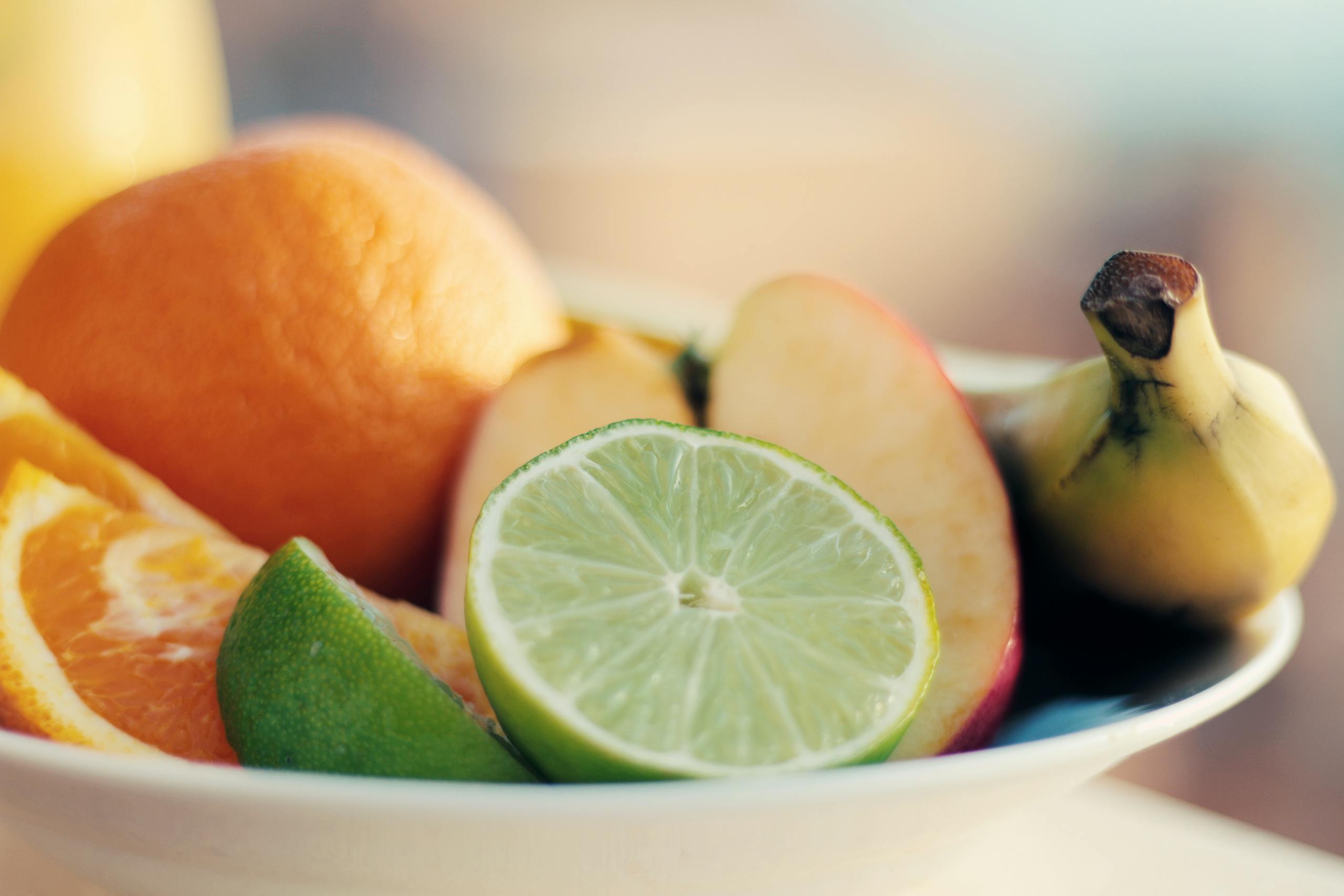
Brighten Your Day with the Ultimate Guide to Vitamin C!
If vitamins were a high school class, Vitamin C would definitely be the “Most Likely to Succeed” student. Vitamin C, also known as ascorbic acid, is a water-soluble powerhouse nutrient that your body uses for a variety of essential tasks. Unlike most animals, we humans can’t actually make our own Vitamin C, which makes it an essential part of our daily diet.
Why Your Cells Love Vitamin C
Think of Vitamin C as a personal bodyguard for your cells. In the body, it acts as a potent antioxidant, shielding your cells from damage caused by free radicals. These “free radicals” are formed when we convert food into energy, but we are also exposed to them through air pollution, cigarette smoke, and even the sun’s UV rays.
But wait, there’s more! Vitamin C is also a “master builder” because:
• It’s essential for making collagen: This protein is required to help wounds heal and is a vital component of the connective tissue that keeps your body held together.
• It helps with iron absorption: If you love plant-based foods, Vitamin C is your best friend because it significantly improves the absorption of non-heme iron.
• It fuels your immune system: Vitamin C is well-known for helping your immune system work properly to protect you from disease.
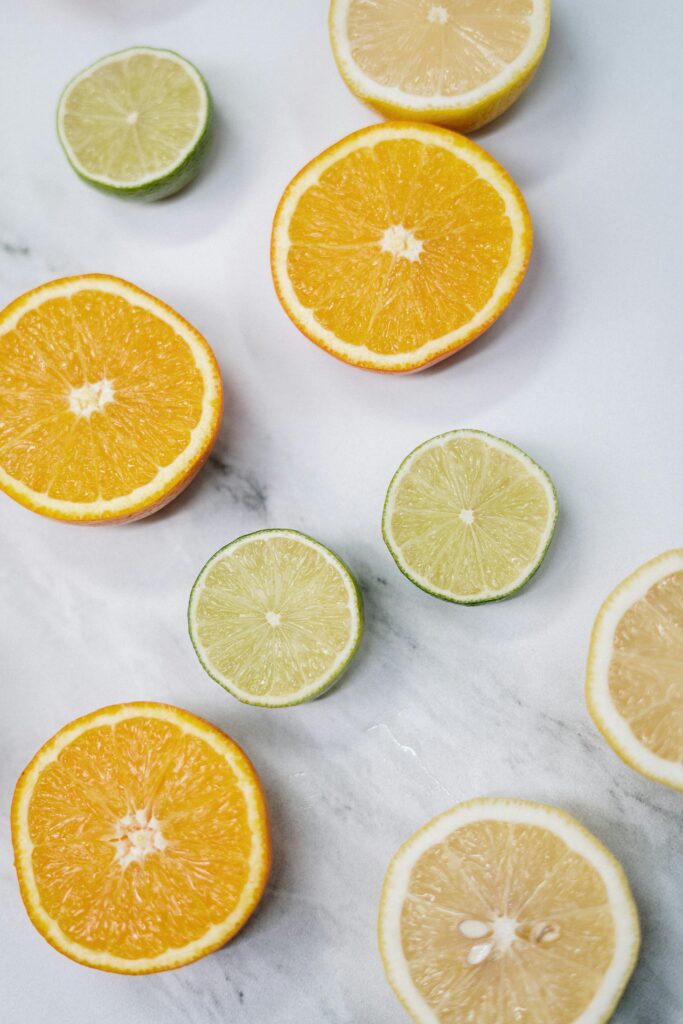
How Much Do You Really Need?
The amount of Vitamin C you need depends on your age and lifestyle. For most adults, the recommended daily amount ranges from 75 mg for women to 90 mg for men. If you smoke, your body uses up Vitamin C faster to repair damage from free radicals, so you should add an extra 35 mg to your daily total.

Getting Your Daily Dose: Food vs. Supplements
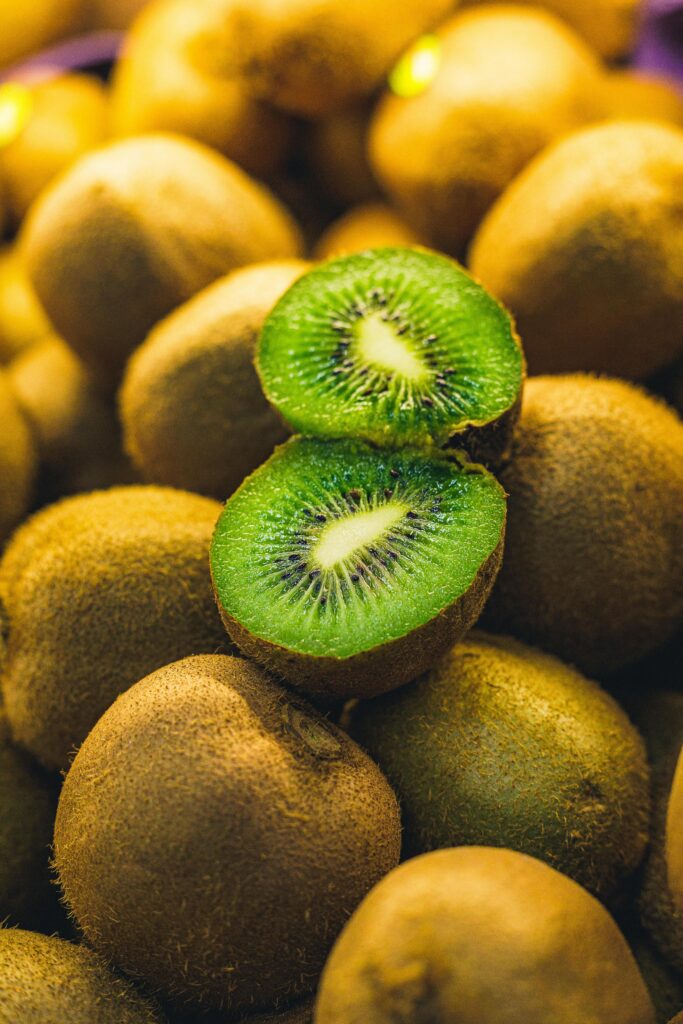
The best way to get your Vitamin C is through a plate full of colorful fruits and vegetables. Citrus fruits like oranges and grapefruits are famous for it, but red and green peppers, kiwifruit, and broccoli are also packed with this nutrient.
However, life gets busy, and sometimes we don’t eat as many veggies as we should. This is where a high-quality supplement can be a helpful addition to a healthy lifestyle.
It’s worth noting that the body is very efficient at absorbing moderate doses of Vitamin C; while absorption efficiency can drop at doses above 1 gram, your body still tightly controls tissue and plasma concentrations to keep things balanced.

Fact-Checking the Common Cold
We’ve all heard that Vitamin C can “cure” a cold. While it’s not a magic shield that prevents you from getting sick in the first place, research suggests that taking Vitamin C regularly might slightly shorten the duration of a cold or make the symptoms a bit milder. Just remember, starting a supplement after you already feel the sniffles usually isn’t as effective as taking it consistently.
A Quick Note on Safety
While Vitamin C has very low toxicity, taking way too much (over the 2,000 mg limit) can sometimes lead to an upset stomach or diarrhea. It can also interact with certain treatments like chemotherapy or statins, so it is always a smart idea to talk with your healthcare provider before starting any new supplement, especially if you are managing a medical condition.
Whether you’re getting it from a juicy orange or a convenient veggie capsule, keeping your Vitamin C levels up is one of the easiest ways to support your overall wellness. Here’s to feeling your best!